


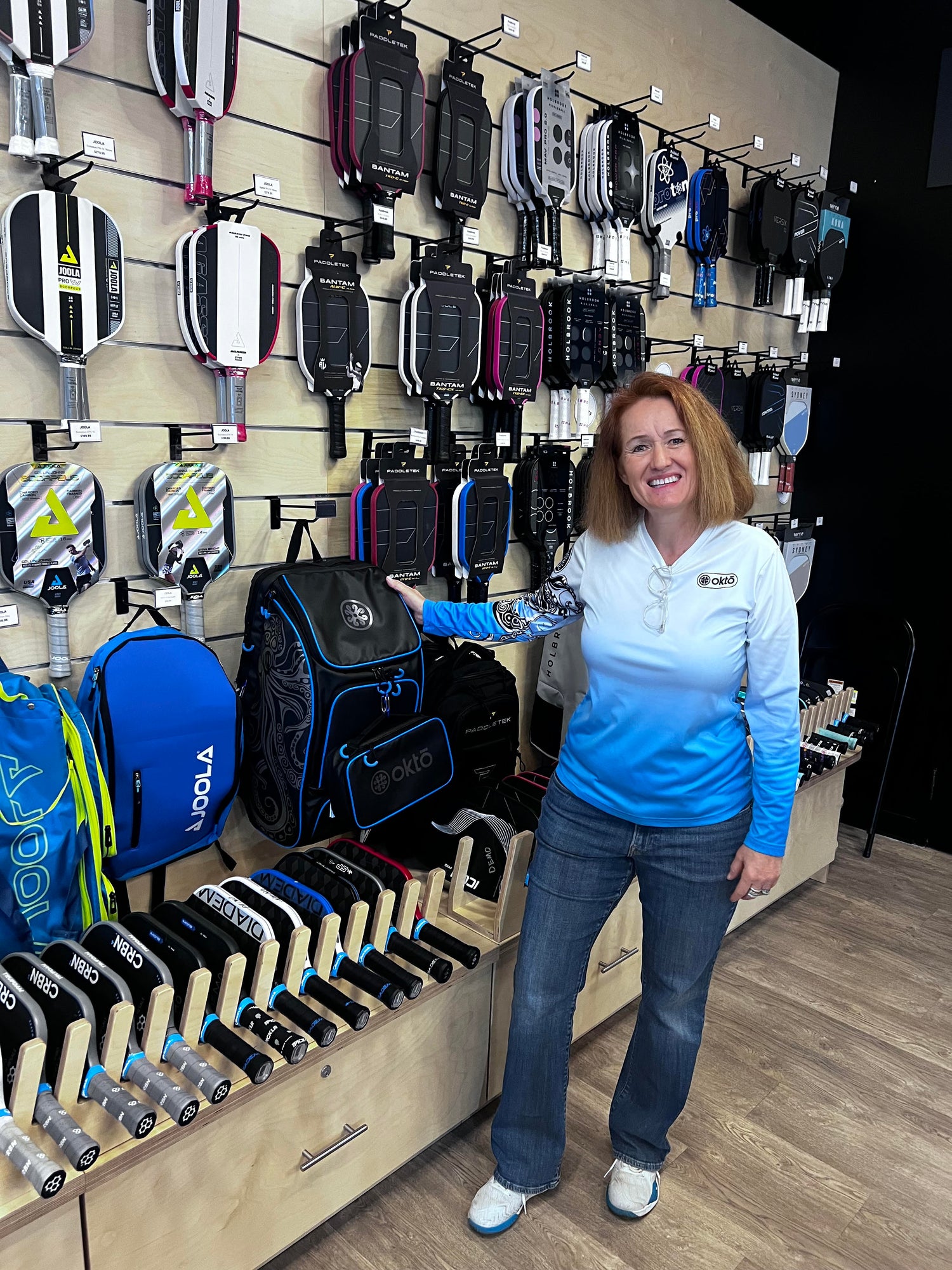
Pickleball has evolved faster than almost any sport in the United States, and the gear surrounding it is finally catching up. What used to be a simple paddle-and-balls game has become a performance-driven sport where players invest in coaching, high-end paddles, and structured training. As a result, the expectations for equipment—including bags—have changed dramatically.
Today, the best pickleball bag isn’t just something you carry. It’s something that supports how you play.
The Shift from Storage to Performance
For years, most pickleball bags were essentially repurposed gym bags—large compartments with very little structure. While that may work for casual play, it quickly breaks down when you’re playing multiple games, managing different gear, or trying to stay organized during competition.
Modern players now expect thoughtful organization built into their bags. Instead of digging through a pile of loose equipment, the best bags create a system: paddles are protected, accessories are separated, and everything has a place. This shift isn’t just about convenience—it’s about maintaining focus. When your gear is easy to access, your attention stays on the game.
This is why many of today’s top-performing bags emphasize internal layout as much as external design. Structured compartments, paddle sleeves, and segmented storage have become standard among high-quality options .
Speed and Access Are Now Competitive Advantages
One of the most overlooked aspects of a pickleball bag is how quickly you can interact with it. In reality, this matters more than most players realize.
During a match or even open play, the ability to grab a ball, switch paddles, or access gear without fumbling can impact rhythm and confidence. Traditional zipper-heavy designs slow players down, forcing them to stop, open compartments, and search.
The best bags today are designed for fluid interaction. Features like side-access panels, external pockets, and intuitive layouts allow players to move seamlessly between points. This mirrors a broader trend in sports gear: reducing friction wherever possible.
Functionality Is Becoming the New Standard
Another major shift in 2026 is the expectation that a bag should do more than just carry equipment.
High-level players increasingly look for built-in functionality—features that support their routine before, during, and after play. This can include structured surfaces, integrated storage systems for valuables, or layouts that support quick transitions between games.
This evolution reflects a deeper truth: pickleball is no longer purely recreational. It’s becoming a sport where preparation, mindset, and small efficiencies matter. The best gear reflects that.
Durability Is No Longer Optional
Pickleball is often played outdoors, which means gear is constantly exposed to harsh conditions—heat, UV rays, abrasive court surfaces, and frequent travel.
As a result, durability has become one of the defining characteristics of a premium bag. High-end materials such as ballistic nylon and reinforced polyester are increasingly common because they resist wear and maintain structure over time . Strong stitching and reliable zippers are no longer “nice to have”—they are essential.
Players who invest in quality gear expect it to last, and the best bags are built with that expectation in mind.
The Rise of the Multi-Sport Player
Another important trend shaping bag design is the rise of the multi-sport athlete. More players are now participating in pickleball, padel, and tennis—sometimes within the same week.
This has created demand for bags that are not limited to a single sport. Instead, versatility is becoming a defining feature. Players want a bag that can adapt to different paddle sizes, gear setups, and environments without compromise.
The brands that recognize this shift are designing products for the broader “paddle sports” category—not just pickleball.
Understanding the Different Types of Pickleball Bags
As the category matures, three primary styles have emerged, each serving a different type of player.
Backpack-style bags remain the most popular because they balance comfort, portability, and organization. They distribute weight evenly and are ideal for players who head straight to the courts from work or play frequently.
Duffel-style bags, often referred to as “tour bags,” are built for capacity. These are typically used by tournament players or coaches who carry multiple paddles, shoes, and extra gear. While they offer more space, they can feel bulky and less structured.
The fastest-growing category, however, is the premium hybrid bag. These combine the comfort of a backpack with advanced organization and added functionality. Designed for serious players, they represent the direction the industry is heading.
Where Most Pickleball Bags Still Fall Short
Despite the progress in the category, many bags still rely on outdated design principles. Oversized compartments without structure remain common, leading to clutter and inefficiency. Access is often an afterthought, with designs that prioritize storage capacity over usability.
Materials can also be a weak point, with lower-end options breaking down under regular use. The result is a frustrating experience—one where players spend more time managing their gear than enjoying the game.
The New Standard: Performance Gear
The biggest takeaway from all of this is simple: pickleball is no longer a casual-only sport, and the equipment is evolving accordingly.
Players are investing in better paddles, better training, and better experiences. Naturally, their expectations for bags are rising as well. A high-quality bag is no longer just an accessory—it’s part of a player’s overall system.
Final Verdict: What Actually Defines the Best Pickleball Bag
In 2026, the best pickleball bag is one that works with you, not against you. It keeps your gear organized without effort, allows fast and intuitive access during play, adds meaningful functionality beyond storage, and holds up under consistent use. Just as importantly, it adapts to the growing world of paddle sports rather than limiting you to one.
Anything less is starting to feel outdated.
Ready to Upgrade Your Game?
If you’re looking for a bag designed for serious players—one that reflects where the sport is going, not where it’s been—explore the latest in paddle-sport innovation at oktogear.com.


Leave a comment
This site is protected by hCaptcha and the hCaptcha Privacy Policy and Terms of Service apply.